Sales, product, real estate, media, culture, and technical teams who need an explorable 3D presentation that works from a normal web link on desktop and mobile.
What it earns the buyer
Let audiences inspect a product, place / space, building, route or system at their own pace or take them through the experience in a guided manner. Or both.
Replace static PDFs and one-way renders with an interactive sales, presentation and explanation tool.
What you get
Embeddable online 3D presentation with hotspots, states, and guided views
Desktop and mobile browser experience optimized for loading and clarity
Optional sales-page, proposal, showroom, or event version using the same asset base
What we need from you to shape the experience
A 3D model, CAD/BIM export, scan, or product reference
The story the model needs to tell
Informational content. Hotspots, labels, views, variants, or states
Brand and UI requirements
Where the experience will be embedded or shared
Any sales, analytics, or lead-capture needs
Don't have everything? Start with what you have. On the first call we'll tell you what's worth creating, and what's not.
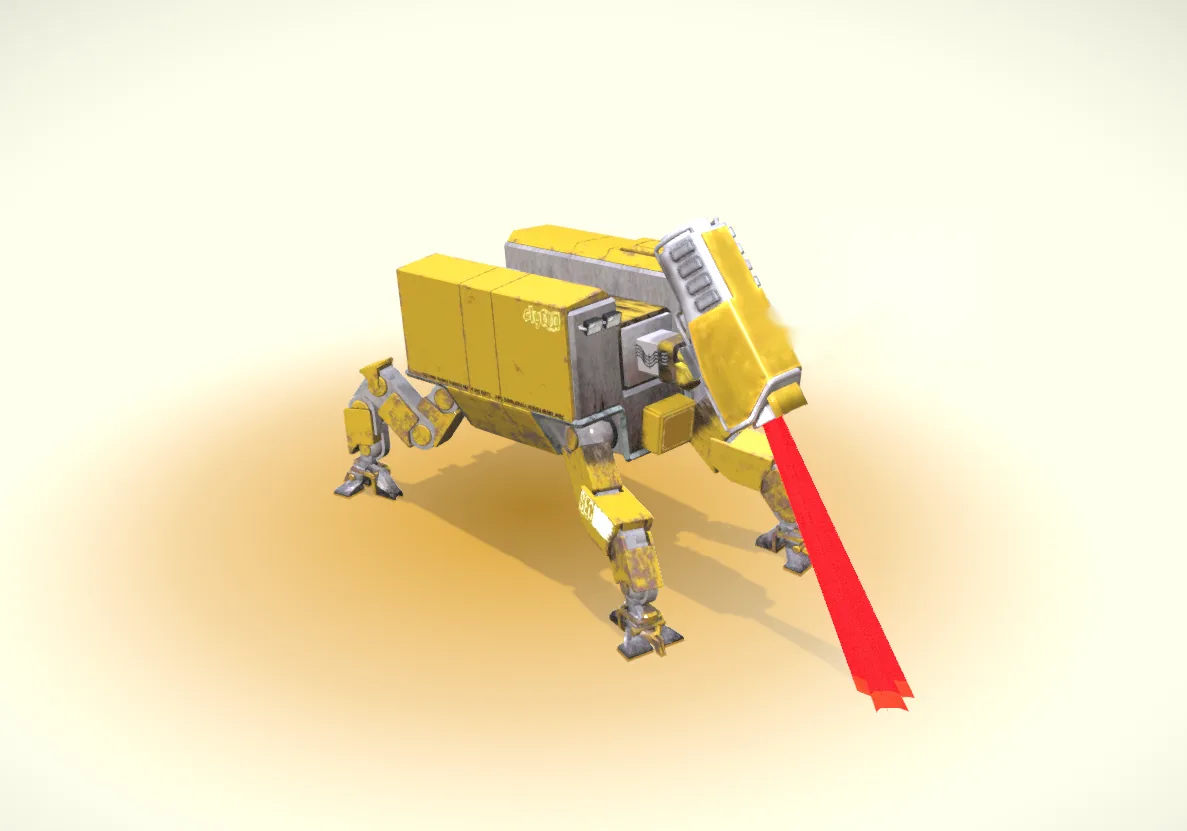
A browser-embedded robotics presentation demo for explaining automation, motion, and product footprint from a normal web page.
Online 3D experiences · Robotics online 3D demo
Selected proof
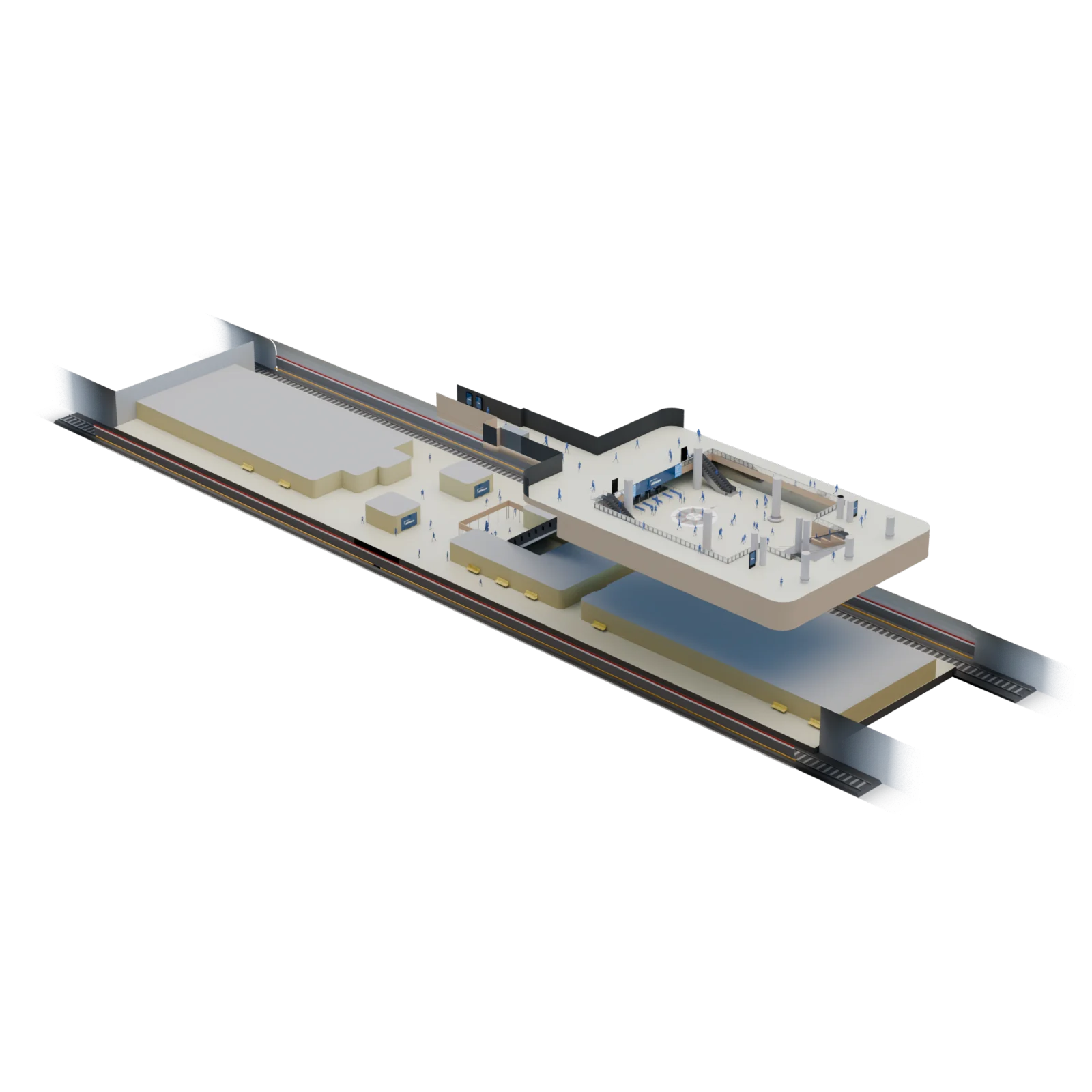
Online 3D works when people need to inspect a place, product, or system from a normal link. These examples show station sales, robotics, and modular product explanation.
Same six steps, adapted to each project's requirements. The first call decides where to enter and what to skip.
01
Define the presentable
We define what the viewer must understand: overview, scale, workflow, options, hotspots, campaign placements, or product details.
02
Optimize the model
We optimize geometry, textures, materials, animations, and loading so the experience works in a real browser instead of only in a 3D tool.
03
Build guided views
Camera positions, labels, hotspots, toggles, and calls to action turn the model into a presentation instead of a loose 3D file.
04
Test desktop and mobile
We test load times, readability, navigation, labels, and interaction on the devices the audience will actually use.
05
Embed or publish
The finished experience can live on a website, sales page, proposal, event display, or private review link.
06
Extend the asset
The same asset base can support WebAR, still renders, short videos, showroom demos, and future versions.
FAQ
The questions buyers actually ask. Open one to read.
Q01Is this the same as a digital scale model?+
It can be. Online 3D is the broader capability; digital scale models are one common use case for places, products, networks, and systems.
Q02Does it work on phones?+
Yes, when the model and interface are designed for mobile. Complex scenes may need simplified mobile views so loading and controls stay usable.
Q03Can it be embedded on our website?+
Yes. We can prepare an embed or a standalone link depending on your CMS, hosting, and analytics setup.
Q04Can it include interaction?+
Yes. Typical interactions include hotspots, camera perspectives, layers, variants, material options, labels, links, and guided story steps.
Q05Can it become AR later?+
Often, yes. If AR reuse matters, we plan scale, geometry, materials, and interaction so the same asset can move into WebAR or on-location AR with ease.
AppsFlyer's 2025 benchmark across 28 billion installs puts Day-1 retention at around 25%. AR apps sit below that floor, because every reviewer is a single-use case, not a habit. WebAR removes the funnel. The link that opened the experience the first time still opens it the second.
Rework runs around 12% of a typical construction budget. Peer-reviewed BIM studies in 2025 report that putting an optimised 3D model in front of stakeholders before the first pour prevents at least a third of that, and as much as half on projects that share the model early. One Asian rail case caught 3,000 design clashes and shaved 12% off construction cost on its own.
Shopify's own data, drawn from millions of stores. The 65% sits next to a 94% conversion lift on stores that add any 3D content, and a 40% drop in returns when AR closes the imagination gap. The mechanism carries from product pages to construction, museums, and brand work.